
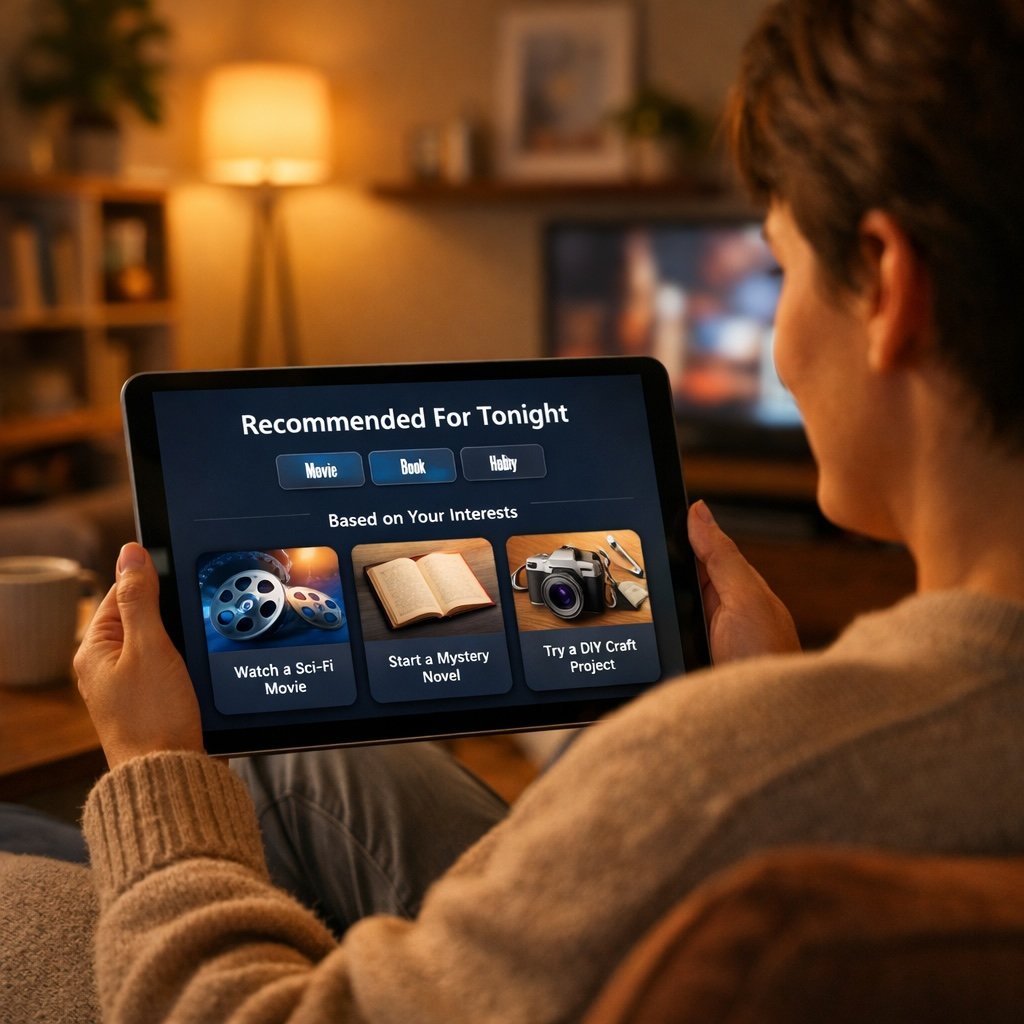
What Are AI Entertainment Recommendations?
AI entertainment recommendations are personalized suggestions generated by artificial intelligence to help you decide what to watch, read, listen to, or explore for fun. Instead of relying on generic “top 10” lists, AI uses patterns from your behavior to surface entertainment options that are more likely to match your tastes.
Most people encounter AI entertainment recommendations daily—on streaming platforms, music apps, reading services, and even hobby or learning platforms—often without realizing that AI is behind the scenes. The goal isn’t to replace personal taste, but to reduce the effort it takes to discover something enjoyable.
At their best, AI entertainment recommendations quietly remove friction. They help you spend less time deciding and more time actually enjoying your free time.
How AI Learns Your Entertainment Preferences
AI recommendation systems learn by observing patterns over time. Every interaction you make—whether you finish a movie, skip a song, or abandon a book—becomes a signal.
Common inputs AI uses include:
- Viewing or listening history
- Ratings, likes, and dislikes
- Time spent on specific content
- Repeated genres, themes, or formats
- Time of day and frequency of use
For example, if you regularly finish light comedies in the evening but abandon long dramas, the AI begins prioritizing shorter, upbeat content during those hours. Over time, the system builds a preference profile that becomes more accurate with continued use.
Importantly, AI doesn’t “understand” taste the way humans do—it recognizes patterns. That pattern recognition is what allows recommendations to improve without requiring constant manual input.
Why AI Recommendations Feel Accurate (and Sometimes Surprising)
AI recommendations often feel accurate because they’re based on real behavior rather than stated preferences. You might say you enjoy documentaries, but if you consistently stop watching them halfway through, AI will notice the difference.
At the same time, recommendations can feel surprising because AI also looks at adjacent patterns. If people with similar habits to yours enjoy something you haven’t tried, the system may surface it as a suggestion—even if you never searched for it.
This balance between familiarity and discovery is intentional. Strong AI entertainment recommendations don’t just repeat what you already like; they gently expand your options while staying within a comfort zone.
Occasional misses are normal. A single bad recommendation doesn’t mean the system is broken—it’s simply adjusting to incomplete or changing information.
AI Entertainment Recommendations vs Traditional “Top Lists”
Traditional entertainment lists are static and one-size-fits-all. They reflect editorial opinion, popularity, or marketing priorities rather than individual taste.
AI entertainment recommendations differ in key ways:
- Personalized: Based on your behavior, not general trends
- Dynamic: Continuously updated as your preferences change
- Context-aware: Influenced by timing, format, and engagement patterns
While top lists are useful for broad inspiration, AI recommendations excel at narrowing choices. They answer the question, “What will I enjoy right now?” rather than “What’s popular?”
Used together, human-curated lists and AI recommendations offer the best of both worlds—discovery plus personalization.
Where AI Entertainment Recommendations Appear in Everyday Life
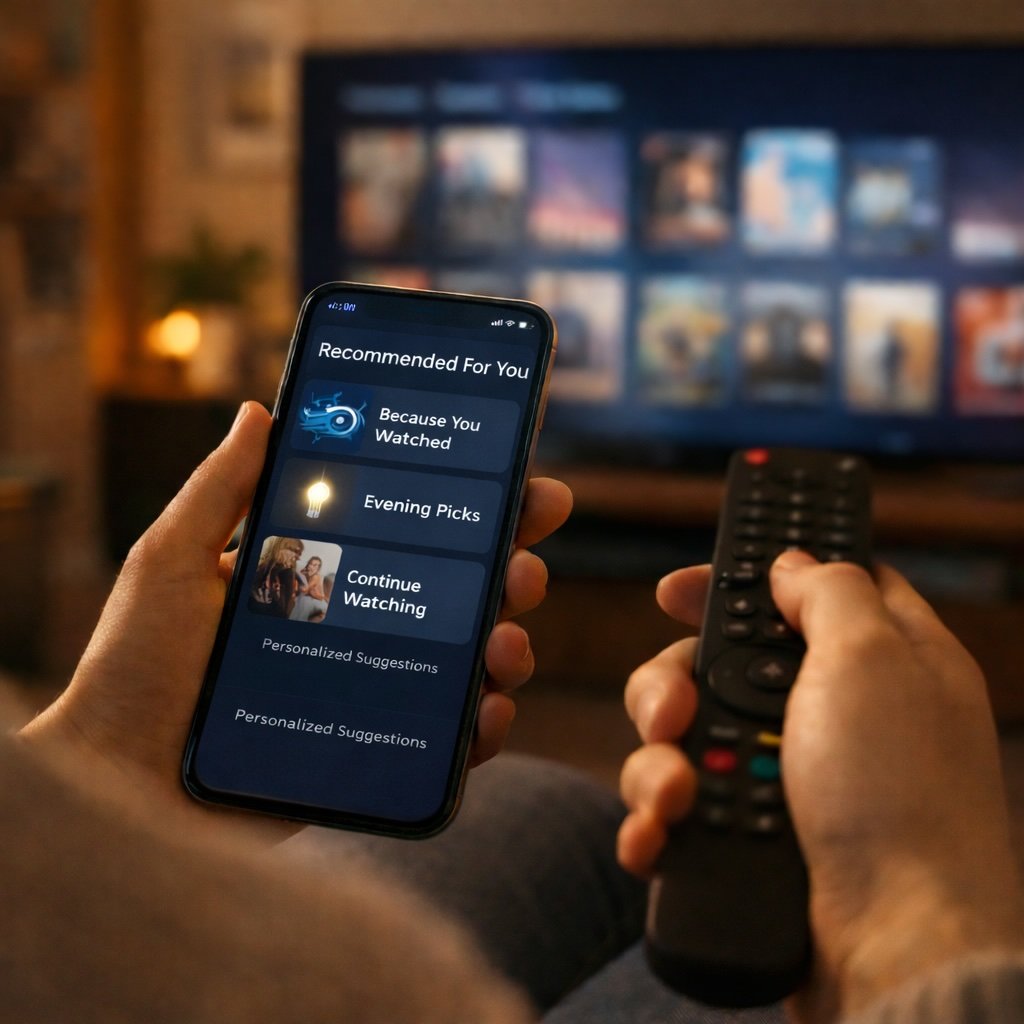
AI entertainment recommendations aren’t limited to one platform or category. They appear across nearly every digital entertainment experience, often integrated so seamlessly that they feel invisible.
Understanding where these systems operate helps you recognize when AI is working for you—and how to influence it.
AI Recommendations on Streaming Platforms
Streaming services are one of the most familiar examples of AI entertainment recommendations. Platforms like Netflix, Prime Video, and Disney+ analyze viewing behavior to determine what appears on your home screen.
These systems consider:
- What you finish vs abandon
- How quickly you start new content
- Genres you return to repeatedly
- Whether you watch multiple episodes occasionally or prefer slower viewing over time…
Rows like “Because you watched…” or “Recommended for you” are powered by AI models trained to predict what you’re most likely to enjoy—and finish.
Even thumbnails and preview clips may change based on what the AI believes will catch your attention.
Music and Podcast Recommendations Powered by AI
Music and podcast platforms rely heavily on AI to personalize discovery. Instead of manually searching for new content, listeners often rely on curated playlists and suggested episodes.
AI-powered recommendations may include:
- Daily or weekly personalized playlists
- Suggested podcasts based on listening habits
- Episode recommendations within ongoing series
These systems track factors such as skipping behavior, repeat plays, listening duration, and even time-of-day usage. Over time, the platform learns whether you prefer background listening, deep-dive conversations, or short-form content.
The result is a listening experience that adapts without requiring constant effort.
AI Recommendations for Books, Audiobooks, and Learning
Reading and learning platforms also use AI entertainment recommendations, though they’re often less obvious. Ebook and audiobook services analyze reading speed, completion rates, and preferred formats to surface better suggestions.
AI may recommend:
- Books similar in tone or structure to ones you finished
- Audiobooks with narrators you tend to enjoy
- Learning content matched to your pace and attention span
For readers who struggle with choice overload or reading slumps, these recommendations can reintroduce momentum without pressure.
AI Movie and TV Show Recommendations Explained
AI movie and TV show recommendations work by predicting which content you’re most likely to start—and finish. Completion matters because it signals satisfaction more reliably than clicks alone.
Unlike manual browsing, AI systems prioritize reducing friction. The goal is to surface fewer, more relevant options so you don’t spend your free time endlessly scrolling.
How AI Recommends Movies and TV Shows You’ll Enjoy
AI evaluates thousands of variables simultaneously, but some signals matter more than others:
- Completion rate
- Rewatch behavior
- Similarity to previously enjoyed content
- Engagement patterns over time
If you consistently finish certain types of shows, the system learns to prioritize similar pacing, tone, or structure—even across different genres.
This is why recommendations often feel “right” even when they don’t match your stated preferences exactly.
Mood-Based and Genre-Based AI Recommendations
Modern AI systems don’t rely solely on genre labels. Instead, they analyze emotional tone, pacing, and narrative style.
For example, two shows labeled as “drama” may be treated very differently if one is slow and introspective while the other is fast-paced and suspenseful. AI can distinguish between those differences and recommend content that fits your typical viewing mood.
Some platforms also adjust recommendations based on time of day, recognizing that people often want lighter entertainment at night and more complex content on weekends.
How to Improve Your Movie and TV Recommendations With Feedback
AI entertainment recommendations improve fastest when they receive clear signals. Small actions can make a noticeable difference:
- Rating content you loved or disliked
- Removing items from watch history if needed
- Actively searching for specific genres occasionally
You don’t need to micromanage the system. A few intentional interactions help guide recommendations in a healthier, more satisfying direction.
AI Book and Audiobook Recommendations
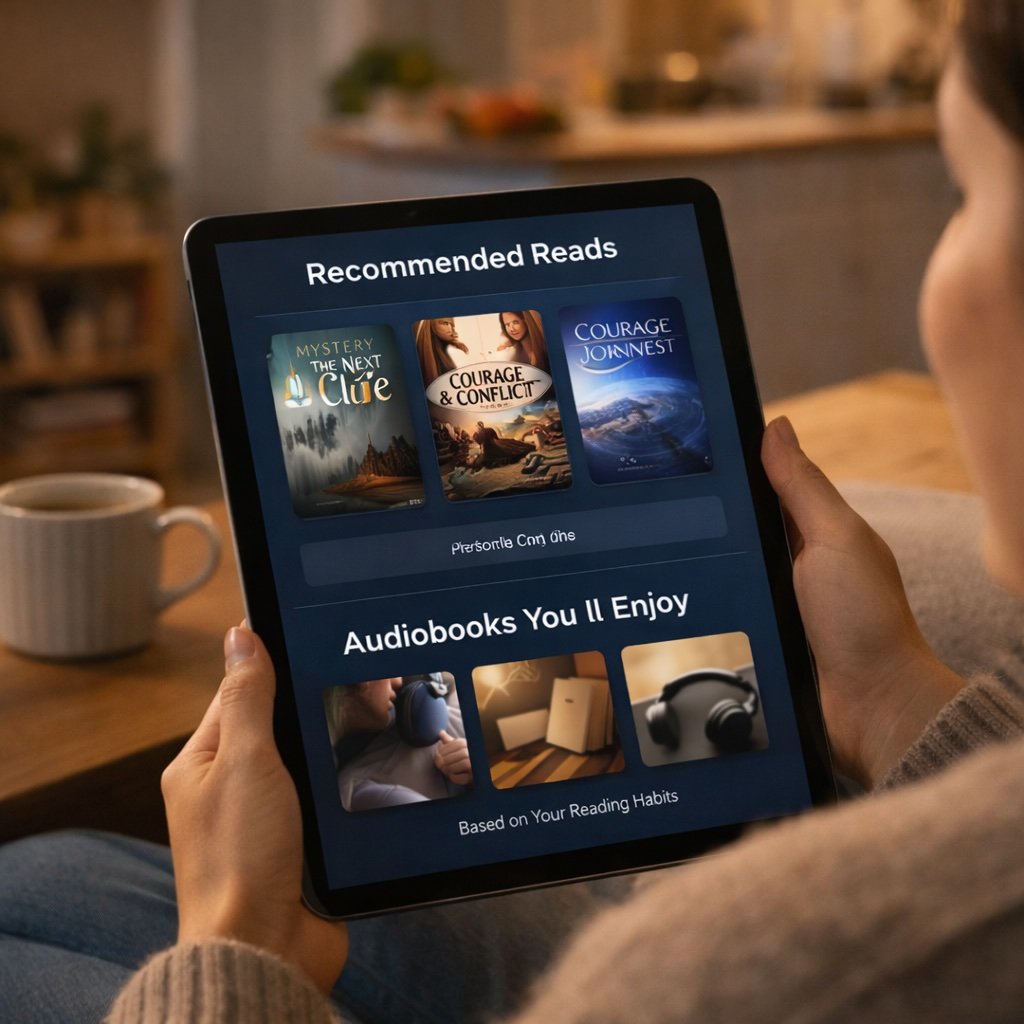
AI book and audiobook recommendations help readers and listeners discover content that matches how they actually consume stories and information—not how they think they should. Instead of relying only on genres or bestseller lists, AI adapts to your pace, format preferences, and engagement patterns.
For people who enjoy reading but struggle with choice overload, AI recommendations can quietly remove friction and restore enjoyment.
How AI Recommends Books Based on Reading Habits
AI systems track more than just which books you purchase or open. They pay attention to how you read:
- Whether you finish books or abandon them
- How quickly you move through chapters
- The balance between fiction and nonfiction
- Recurring themes, tones, or authors
If you consistently finish shorter nonfiction but abandon long novels, AI begins prioritizing concise, structured content. Over time, the system learns what fits your attention span and lifestyle—not just your interests.
This makes recommendations feel more realistic and easier to follow through on.
Audiobook Recommendations Based on Listening Behavior
Audiobook platforms use AI to understand how you listen, not just what you choose. Listening speed, pause frequency, and completion rates all influence future suggestions.
AI may learn that you:
- Prefer conversational narrators
- Listen in short sessions during commutes
- Finish audiobooks with clear structure faster
As a result, recommendations shift toward content that fits your listening context. This is especially helpful for people who want audiobooks to feel effortless rather than demanding.
Using AI Book Recommendations to Break Reading Slumps
Reading slumps often come from mismatch, not lack of interest. AI can help by:
- Suggesting lighter or familiar content
- Recommending shorter formats
- Surfacing similar books with slightly different tones
Rather than forcing yourself through something that isn’t working, AI recommendations offer gentle alternatives that keep momentum without pressure.
AI Hobby and Interest Recommendations

AI hobby and interest recommendations introduce people to activities they might enjoy but may not have actively sought. These systems identify connections among interests, behaviors, and seasonal patterns to surface ideas that feel timely and relevant.
This is where AI shifts from entertainment consumption to enrichment.
How AI Suggests New Hobbies and Interests
AI identifies “adjacent interests” by comparing your behavior with others who share similar patterns. If people with similar tastes enjoy a particular hobby, AI may suggest it—even if it’s outside your usual routine.
For example:
- A podcast listener might be introduced to writing prompts
- A documentary viewer might see photography tutorials
- A reader might discover creative or hands-on learning projects
These suggestions often appear subtly, framed as recommendations rather than commitments.
Creative Hobbies Enhanced by AI Recommendations
Creative hobbies benefit from AI because they remove the hardest part: knowing where to start. AI can recommend:
- Beginner-friendly tools and tutorials
- Skill-building projects matched to your level
- Creative prompts that fit your time constraints
Whether it’s writing, photography, music, or DIY projects, AI recommendations help transform curiosity into action without overwhelming you.
Learning-Based Entertainment Recommendations From AI
Not all entertainment is passive. Many people enjoy content that teaches while it entertains. AI recognizes this overlap and recommends:
- Courses with engaging formats
- Short-form educational videos
- Interactive learning experiences
These recommendations help people grow skills while still enjoying their downtime—without feeling like they’re “studying.”
Benefits of AI Entertainment Recommendations
When used thoughtfully, AI entertainment recommendations improve how people spend their free time. The biggest benefit isn’t novelty—it’s ease.
AI Recommendations Reduce Decision Fatigue
Choosing entertainment shouldn’t feel like work. AI reduces the mental load by narrowing options to a manageable, relevant set. Instead of scrolling endlessly, you’re presented with choices that already align with your preferences.
This is especially valuable after long days when decision fatigue is highest.
Discover Entertainment You Actually Enjoy
Because AI learns from real behavior, it becomes better at suggesting content you’ll finish and enjoy—not just sample. Over time, recommendations become more aligned with your habits, mood, and attention span.
The result is less frustration and more satisfying experiences.
Personalized Entertainment Without Extra Effort
Once trained, AI entertainment recommendations require minimal upkeep. Small, natural interactions—finishing content, skipping what doesn’t work—are enough to keep the system learning.
You don’t need to manage lists, track genres, or constantly adjust settings. The personalization happens quietly in the background.
Common Concerns About AI Entertainment Recommendations
While AI entertainment recommendations are designed to make discovery easier, it’s normal to have questions or concerns about how these systems influence what we watch, read, and do for fun. Understanding the limitations helps you use AI as a tool—not a rule.
Do AI Recommendations Create Content Bubbles?
One common concern is that AI recommendations might limit exposure by repeatedly showing similar content. This can happen if feedback signals are narrow or unintentional.
However, most modern recommendation systems are designed to balance familiarity with exploration. They regularly test new content just outside your usual patterns to see how you respond.
You can also widen recommendations by:
- Occasionally searching for something different
- Sampling new genres or formats
- Engaging with content outside your normal routine
Small changes help the system understand that you’re open to variety.
Privacy Concerns With AI Entertainment Recommendations
AI entertainment recommendations rely on usage data, not personal identity. Platforms track interactions such as viewing behavior, completion rates, and engagement patterns—not private conversations or personal details.
Most services allow you to:
- Review or clear watch and listening history
- Adjust personalization settings
- Limit data retention
Using these controls helps ensure recommendations remain helpful while aligning with your comfort level around privacy.
What to Do When AI Recommendations Get It Wrong
No recommendation system is perfect. AI works with incomplete information and evolving preferences, so occasional mismatches are expected.
When recommendations miss the mark:
- Skip content quickly if it doesn’t fit
- Rate or mark items as “not interested”
- Actively search for something you want
These signals help recalibrate future suggestions. Think of mistakes as part of the learning process, not a failure.
How to Use AI Entertainment Recommendations More Intentionally
AI works best when it’s guided—lightly and naturally. You don’t need to manage every setting, but a few intentional habits can significantly improve your experience.
Training AI Entertainment Recommendations Over Time
Training doesn’t require extra effort. Simple, consistent actions shape recommendations:
- Finish content you enjoy
- Abandon content that doesn’t resonate
- Use ratings or feedback tools when available
Over time, the system builds a clearer picture of what truly fits your tastes and lifestyle.
Combining AI Recommendations With Human Suggestions
AI excels at personalization, but human recommendations still matter. Friends, family, and trusted creators offer context and emotional insight that algorithms can’t fully replicate.
Using both together works well:
- Let AI narrow options
- Use human suggestions for inspiration
- Try recommendations that overlap both
This blend keeps entertainment discovery balanced and enjoyable.
Setting Healthy Boundaries With AI-Powered Entertainment
AI recommendations are designed to be engaging, but intentional boundaries help keep entertainment healthy. This might include:
- Setting time limits
- Choosing specific “watch” or “listen” windows
- Being mindful of endless autoplay
Using AI to support relaxation—not replace it—keeps entertainment aligned with your goals and energy.
Real-Life Examples of AI Entertainment Recommendations

Seeing how AI entertainment recommendations fit into everyday routines helps make their value more tangible.
How Parents Use AI Entertainment Recommendations to Unwind
After busy days, many parents rely on AI to surface easy, familiar content that doesn’t require decision-making. AI learns which shows feel relaxing versus draining and prioritizes those during evening hours.
The result is more restful downtime with less scrolling.
Using AI Recommendations to Discover Audiobooks and Podcasts
Commuters and multitaskers often depend on AI to suggest audio content they’ll actually finish. By learning listening patterns, AI recommends formats and topics that fit available attention rather than idealized plans.
This turns travel or chores into enjoyable, low-effort entertainment.
Exploring New Hobbies With AI-Powered Suggestions
For people seeking new interests, AI hobby recommendations act as gentle nudges rather than commitments. By suggesting beginner-friendly activities aligned with existing interests, AI lowers the barrier to trying something new.
Over time, curiosity becomes engagement without pressure.
FAQ About AI Entertainment Recommendations
Are AI Entertainment Recommendations Safe for Families?
Yes, AI entertainment recommendations are generally safe for families when platform controls are used properly. Most streaming, reading, and learning services offer parental settings, content filters, and age-based profiles that limit what recommendations appear.
AI itself doesn’t decide what’s appropriate—it follows the rules and signals it’s given. When family settings are configured correctly, AI recommendations can actually make it easier to surface age-appropriate, engaging content for kids and teens.
Can You Reset or Retrain AI Entertainment Recommendations?
In many cases, yes. Most platforms allow you to reset watch or listening history, remove individual items, or start fresh with a new profile.
Even without a full reset, recommendations naturally retrain over time. As your behavior changes—what you finish, skip, or search for—the AI adapts. A few intentional interactions are often enough to guide recommendations in a new direction.
Do AI Entertainment Recommendations Replace Personal Taste?
No. AI recommendations don’t replace taste—they reflect it. They surface options based on observed behavior, but the final choice is always yours.
Think of AI as a helpful guide rather than a decision-maker. It narrows the field, but you remain in control of what you watch, read, or explore.
Do AI Entertainment Recommendations Improve With Paid Subscriptions?
Paid subscriptions don’t automatically make recommendations “smarter,” but they often provide more data points. With access to a wider library and fewer restrictions, AI systems can learn preferences more quickly and offer better suggestions.
That said, free platforms can still provide strong recommendations. The quality depends more on engagement patterns than pricing.
Final Thoughts on AI Entertainment Recommendations
AI entertainment recommendations are at their best when they stay in the background—quietly reducing friction, narrowing choices, and helping you spend less time deciding and more time enjoying.
When used intentionally, AI doesn’t limit creativity or curiosity. It supports it. By learning your habits and adapting over time, AI helps turn overwhelming content libraries into personalized experiences that fit your life.
The key is balance. Let AI handle the heavy lifting of discovery, but stay curious, explore beyond suggestions, and keep your own preferences at the center. Small interactions—finishing what you love, skipping what you don’t—are enough to shape an experience that feels personal and supportive.
Entertainment should feel restorative, not exhausting. With thoughtful use, AI can help make your free time simpler, more enjoyable, and genuinely yours.
This topic fits into a broader look at how AI for everyday life supports daily routines across home, work, and family life.