

Smart shopping and budgeting with AI doesn’t mean spreadsheets, strict financial plans, or learning complex tools. In everyday life, AI quietly helps people spend smarter by comparing prices, tracking spending patterns, and offering gentle suggestions at the right moment. From grocery apps to online shopping tools and payment platforms, AI is already working behind the scenes to make daily spending decisions easier and less stressful—often without users even realizing it.
Instead of managing money manually, everyday AI focuses on awareness and convenience. It helps reduce impulse purchases, highlights better-value options, and gives simple spending insights that fit naturally into daily routines. For many people, this kind of smart shopping with AI feels less like “budgeting” and more like having an extra layer of support built into the apps they already use.
How Smart Shopping with AI Fits into Everyday Life
Smart shopping with AI is about improving everyday decisions, not creating a rigid budgeting system. Rather than asking you to track every dollar, AI works passively in the background—learning habits, noticing patterns, and surfacing helpful information when it matters most.
In daily life, this often shows up as price comparisons, reminders, or spending summaries that require little to no effort. AI doesn’t replace personal judgment. Instead, it reduces mental load by making information clearer and easier to act on.
For many households, this means fewer surprises at checkout, better awareness of recurring expenses, and more confidence in everyday purchases—all without changing routines or adding extra work.
Everyday Examples of AI Helping with Shopping Decisions

AI-powered shopping support already exists in many common tools. These features quietly guide decisions while allowing people to stay fully in control.
AI in Online Shopping Apps and Browsers
When shopping online, AI often compares prices across sellers, tracks items you’ve viewed, and alerts you when prices drop. Browser-based shopping tools can also suggest better deals or highlight coupon opportunities automatically. These features make smart shopping easier without requiring manual research.
AI Features Inside Grocery and Retail Apps
Many grocery and retail apps use AI to personalize offers based on purchase history. This might include reminders for frequently purchased items, tailored discounts, or suggestions based on seasonal habits. Over time, these small improvements can lead to noticeable savings in everyday spending.
AI in Payment and Subscription Tools
AI also plays a role after purchases are made. Some payment and banking apps automatically categorize spending, detect recurring subscriptions, and provide simple summaries of where money is going. This type of everyday AI budgeting support helps users stay aware without actively managing a budget.
How AI Helps You Spend Smarter Without a Formal Budget
One of the biggest advantages of using AI for everyday shopping is that it doesn’t require a formal budget. Instead of asking people to set strict limits or track every purchase, AI focuses on awareness and timing. It surfaces helpful information at moments when it can actually influence decisions.
This approach makes smart shopping with AI feel supportive rather than restrictive. Small nudges and insights can guide spending choices without turning daily life into a financial project.
Reducing Impulse Purchases with AI Insights
Impulse purchases often happen because information is missing in the moment. AI helps fill that gap by showing price history, alternative options, or reminders about past spending patterns. When a shopping app notes that an item is priced higher than usual or suggests waiting for a better deal, it creates a pause that helps people make more intentional choices.
These gentle insights don’t prevent purchases—they simply add context. Over time, that extra awareness can significantly reduce unnecessary spending without requiring willpower or strict rules.
Everyday Budget Awareness Powered by AI
Instead of traditional budgeting, many everyday AI tools provide informal budget awareness. This might look like notifications that show how much has been spent in a category this week or summaries that highlight trends at the end of the month.
Because this information is delivered in simple language and familiar apps, it’s easier to understand and act on. People stay informed without feeling overwhelmed, which makes budgeting with AI more approachable in daily life.
Spotting Small Spending Patterns That Add Up
AI excels at recognizing patterns that are easy to miss. Frequent small purchases—like takeout, convenience items, or forgotten subscriptions—can quietly add up over time. AI-powered tools track these trends automatically and surface them in clear summaries.
By identifying these patterns early, everyday AI helps users make small adjustments before they become bigger problems. This kind of insight supports smarter spending habits without demanding constant attention.
AI Budgeting Tools Designed for Daily Life
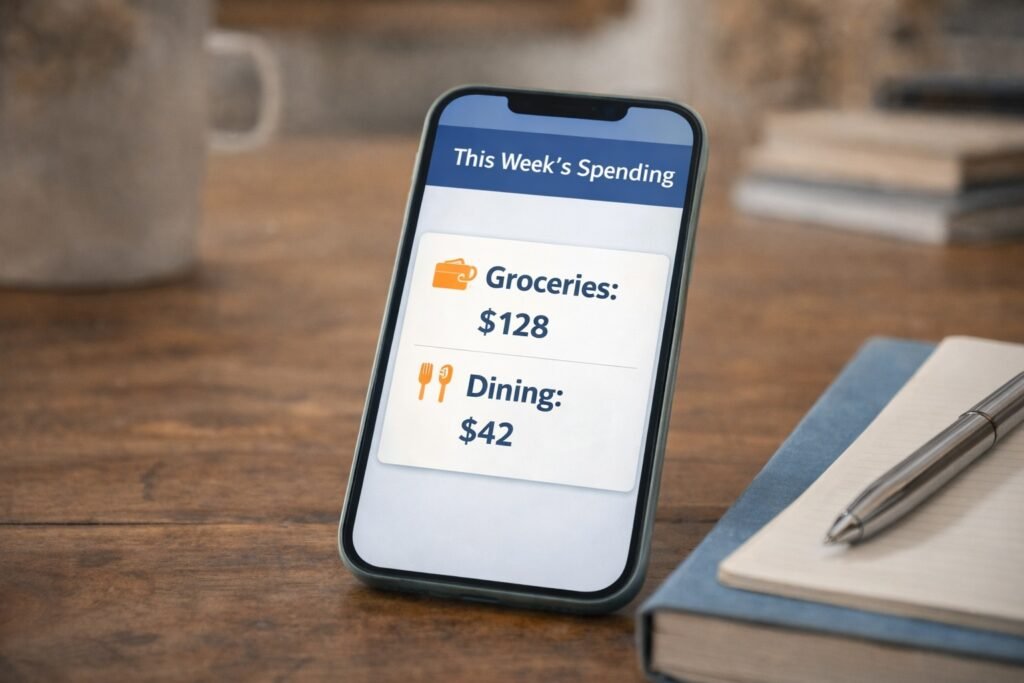
AI budgeting tools designed for daily life focus on simplicity rather than control. Instead of asking users to manage spreadsheets or define strict rules, these tools work quietly in the background to provide helpful awareness. For many people, this approach makes budgeting with AI feel natural and manageable.
By fitting into apps people already use, everyday AI budgeting tools reduce effort while still offering valuable insights.
Passive Spending Tracking with AI
One of the most common features of AI budgeting tools is passive spending tracking. Purchases are automatically categorized based on transaction data, removing the need for manual entry. Over time, AI learns how spending typically breaks down and improves its accuracy.
Because this process is automated, users gain insight into their habits without changing how they shop or pay for things.
Simple Daily and Weekly Spending Snapshots
Rather than complex dashboards, everyday AI tools provide simple snapshots. These summaries might show total spending for the week, highlight the largest categories, or compare current spending to recent patterns.
This kind of overview helps people stay informed without requiring deep analysis. A quick glance is often enough to understand where money is going and whether any adjustments are needed.
Alerts That Help You Adjust Before Overspending
AI-powered alerts play an important role in everyday budget awareness. Instead of reacting after a problem occurs, these alerts provide early signals—such as unusual spending or higher-than-normal totals in a category.
Because alerts are designed to be informative rather than judgmental, they encourage small course corrections. This makes smart shopping and budgeting with AI feel supportive rather than restrictive.
Smart Grocery and Household Shopping with AI

Grocery and household shopping are some of the most frequent spending activities in everyday life. Because these purchases happen regularly, small improvements can have a meaningful impact over time. AI helps simplify these decisions by learning routines and offering helpful suggestions without adding extra steps.
Instead of planning extensively, many people experience smart shopping with AI as subtle guidance built into the apps they already use.
AI-Powered Grocery Lists and Reminders
AI-powered grocery lists help prevent common shopping mistakes, such as buying duplicates or forgetting frequently used items. By learning past purchases, AI can suggest items that are likely needed and remind users when staples are running low.
These reminders reduce last-minute trips and help keep grocery spending more consistent from week to week.
Price-Aware Household Shopping Decisions
AI can also track pricing trends for common household items. When prices fluctuate, AI-powered tools may suggest waiting for a better time to buy or choosing a lower-cost alternative. This information helps people make smarter choices without manually comparing options.
Over time, these small adjustments support better everyday spending habits.
AI Suggestions Based on Routine Spending Habits
As AI observes shopping behavior, it begins to recognize routines. Weekly grocery patterns, seasonal changes, and recurring household purchases all inform the suggestions it provides.
By adapting to real-life habits, AI offers guidance that feels relevant and timely—helping people shop smarter without disrupting their routines.
Popular Everyday AI Tools for Smart Shopping and Spending
Many of the tools that support smart shopping and everyday budget awareness are already part of daily life. These AI-powered features are often built into browsers, shopping apps, and financial platforms, making them easy to use without special setup or learning curves.
Rather than focusing on advanced financial planning, these tools aim to simplify everyday decisions and reduce mental effort.
AI Shopping Assistants and Browser Tools
AI shopping assistants commonly appear as browser extensions or built-in features within online stores. They help compare prices across retailers, track items over time, and notify users when prices drop.
By providing timely information during the shopping process, these tools support smarter decisions without interrupting the experience.
AI Spending Awareness Apps
Some apps use AI to analyze everyday spending patterns and present the information in simple summaries. Instead of detailed charts, these tools highlight key insights such as frequent categories or unusual spending activity.
This approach makes budgeting with AI feel accessible and useful, especially for people who don’t want to manage a traditional budget.
AI Tools That Monitor Subscriptions and Bills
Subscriptions and recurring bills are easy to forget, but AI tools can automatically detect them and bring attention to changes. Alerts may highlight price increases or identify services that haven’t been used recently.
This type of everyday AI support helps prevent small, ongoing expenses from going unnoticed.
A Real-Life Example of Smart Shopping with AI
To understand how smart shopping with AI fits into everyday life, it helps to look at a simple, realistic example. Consider a typical household managing groceries, online purchases, and a few recurring subscriptions throughout the month.
During a regular shopping week, AI-powered tools quietly track spending patterns and highlight helpful insights. A grocery app suggests restocking a commonly purchased item while also pointing out a lower-priced option. A browser-based shopping assistant flags that an online item is priced higher than usual and recommends waiting for a better deal.
At the same time, a payment app summarizes recent spending and notes an increase in subscription costs compared to previous months. None of these tools require active management. They simply provide information at the right moment.
Over time, these small insights lead to better decisions without effort. The household avoids unnecessary purchases, becomes more aware of recurring expenses, and feels more confident about everyday spending. In this way, budgeting with AI becomes less about control and more about clarity.
Is Smart Shopping with AI Safe to Use?
Safety and privacy are common questions when it comes to using AI for everyday shopping and spending. Most AI-powered shopping and budgeting tools are designed to work with limited data, focusing on patterns rather than personal details. Understanding how these tools use information can help people feel more confident using them in daily life.
Smart shopping with AI works best when users stay informed and in control.
What Data AI Shopping Tools Actually Access
In most cases, AI shopping and spending tools rely on transaction data, purchase history, and basic usage patterns. This information helps AI recognize trends and provide relevant suggestions, such as spending summaries or price alerts.
Reputable tools clearly explain what data they collect and how it’s used. They typically do not access sensitive personal information beyond what is necessary to deliver their features.
Choosing AI Tools That Respect Privacy
When selecting AI tools for everyday shopping, transparency matters. Clear privacy policies, customizable permissions, and the ability to control notifications are signs of a trustworthy platform.
It’s also helpful to review settings regularly and remove access from tools that are no longer useful. This keeps AI support aligned with personal comfort levels.
Staying in Control of Everyday Spending Decisions
AI is meant to assist, not decide. The most effective tools provide information and suggestions while leaving final choices to the user. Alerts, summaries, and reminders should feel optional and supportive.
By treating AI as a guide rather than an authority, people can enjoy the benefits of smart shopping without giving up control over their spending.
How to Start Using AI for Smarter Everyday Shopping
Getting started with AI for everyday shopping doesn’t require a major setup or a complete change in habits. In most cases, the easiest way to benefit from smart shopping with AI is to begin small and let the technology work quietly in the background.
By focusing on one area at a time, AI support feels manageable and helpful rather than overwhelming.
Start with One Shopping or Spending Challenge
The first step is identifying a single friction point. This might be overspending on groceries, forgetting subscriptions, or making frequent impulse purchases online. Choosing one challenge allows AI tools to provide clearer, more relevant insights.
Starting small also helps avoid information overload and makes it easier to see real benefits quickly.
Let AI Learn Your Habits First
Most AI-powered tools improve over time. Allowing them to observe spending and shopping patterns before acting on recommendations leads to more accurate and useful suggestions.
During this phase, it’s best to review insights without feeling pressure to make changes. This helps build trust in the information being provided.
Add One AI Tool at a Time
Using multiple tools at once can create confusion. Adding one AI tool at a time makes it easier to understand how each one supports smart shopping and everyday budget awareness.
Once a tool proves useful, it can be kept. If not, it can be removed without disrupting routines. This flexible approach keeps AI support simple and sustainable.
FAQ: Smart Shopping, Budgeting, and Everyday AI
Do I need a budget to use AI shopping tools?
No. Most everyday AI shopping tools work without a formal budget. They focus on awareness, patterns, and helpful reminders rather than strict spending limits. This makes them accessible even for people who don’t enjoy traditional budgeting.
Can AI really help save money in everyday life?
Yes, especially through small improvements. AI helps by reducing impulse purchases, highlighting better-value options, and identifying recurring expenses that might otherwise go unnoticed. These small changes can add up over time without requiring extra effort.
Are free AI shopping and budgeting tools enough for most people?
For many users, free tools provide plenty of value. Features like price alerts, spending summaries, and subscription tracking are often included at no cost. Paid tools may offer deeper insights, but they aren’t necessary for everyday smart shopping.

Final Thoughts on Smart Shopping & Budgeting with AI
Smart shopping and budgeting with AI is less about controlling every dollar and more about reducing friction in everyday life. By quietly supporting better decisions, AI helps people feel more confident about spending without adding complexity or stress.
When used thoughtfully, everyday AI tools act as gentle helpers—offering clarity, saving time, and making small improvements that compound over time. For anyone looking to simplify daily spending decisions, smart shopping with AI is an easy place to start.
This topic fits into a broader look at how AI for everyday life supports daily routines across home, work, and family life.